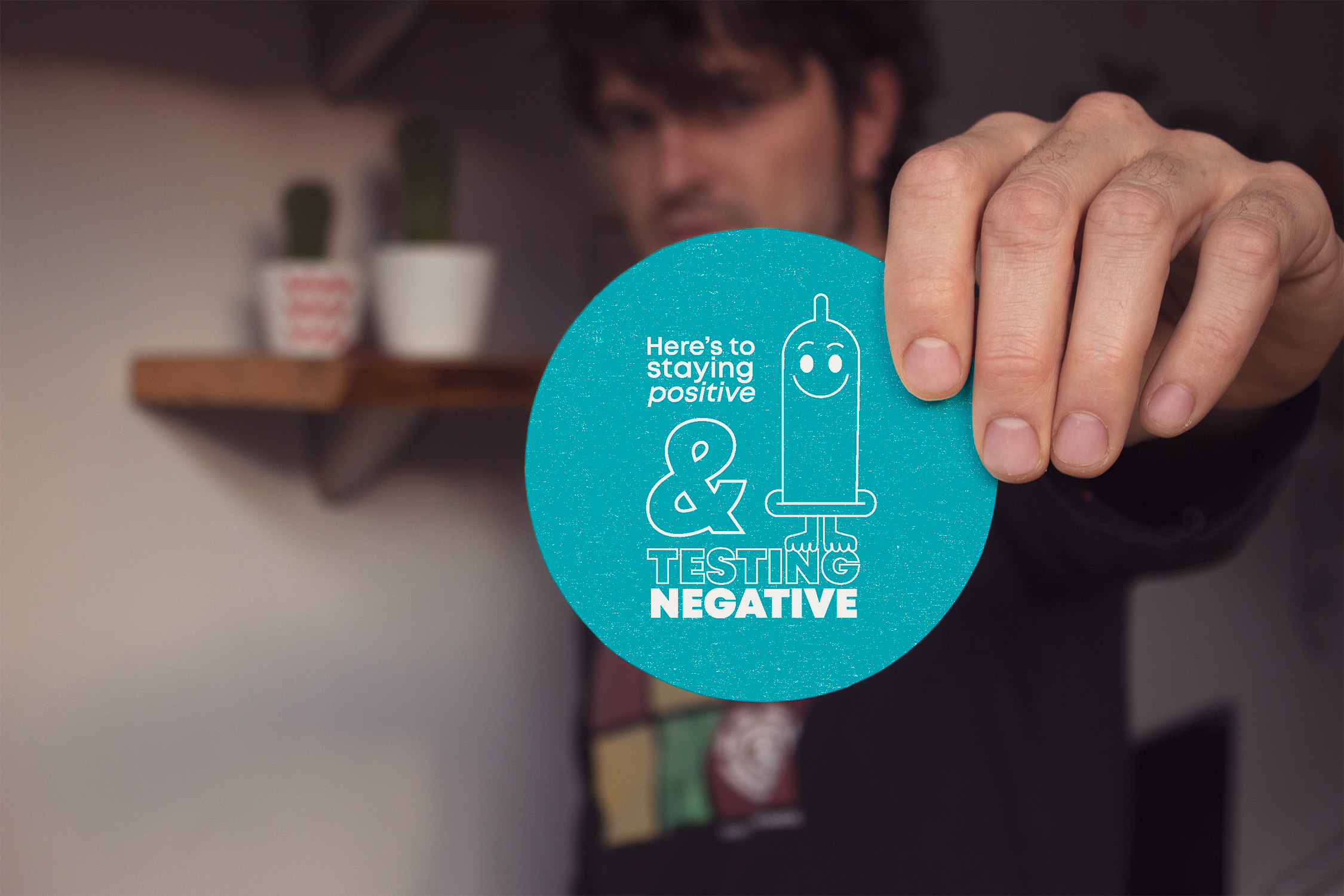
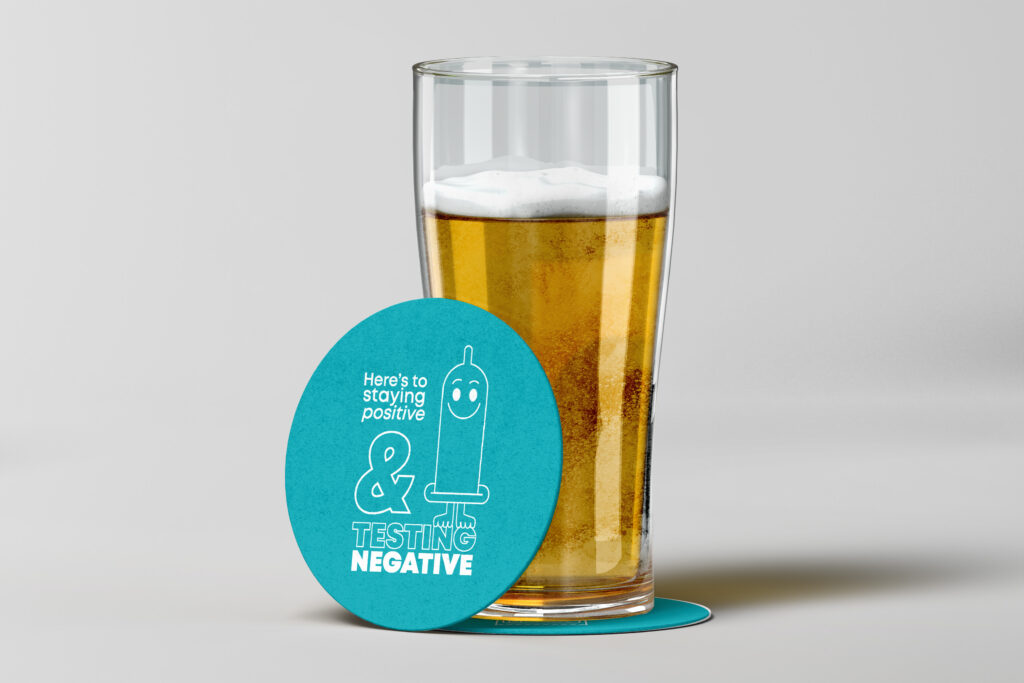
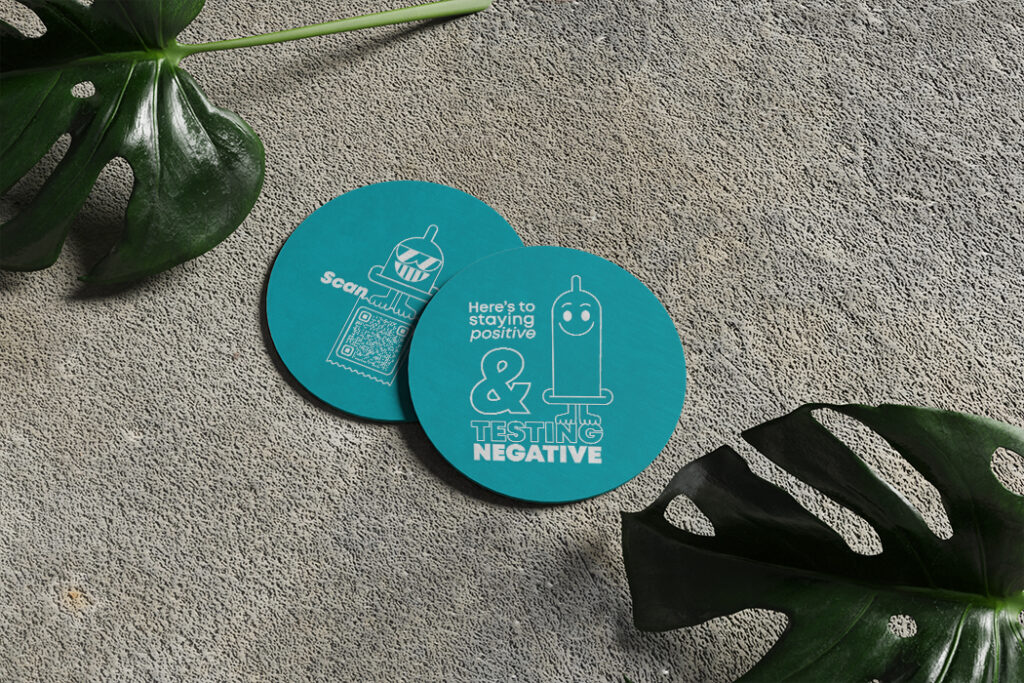
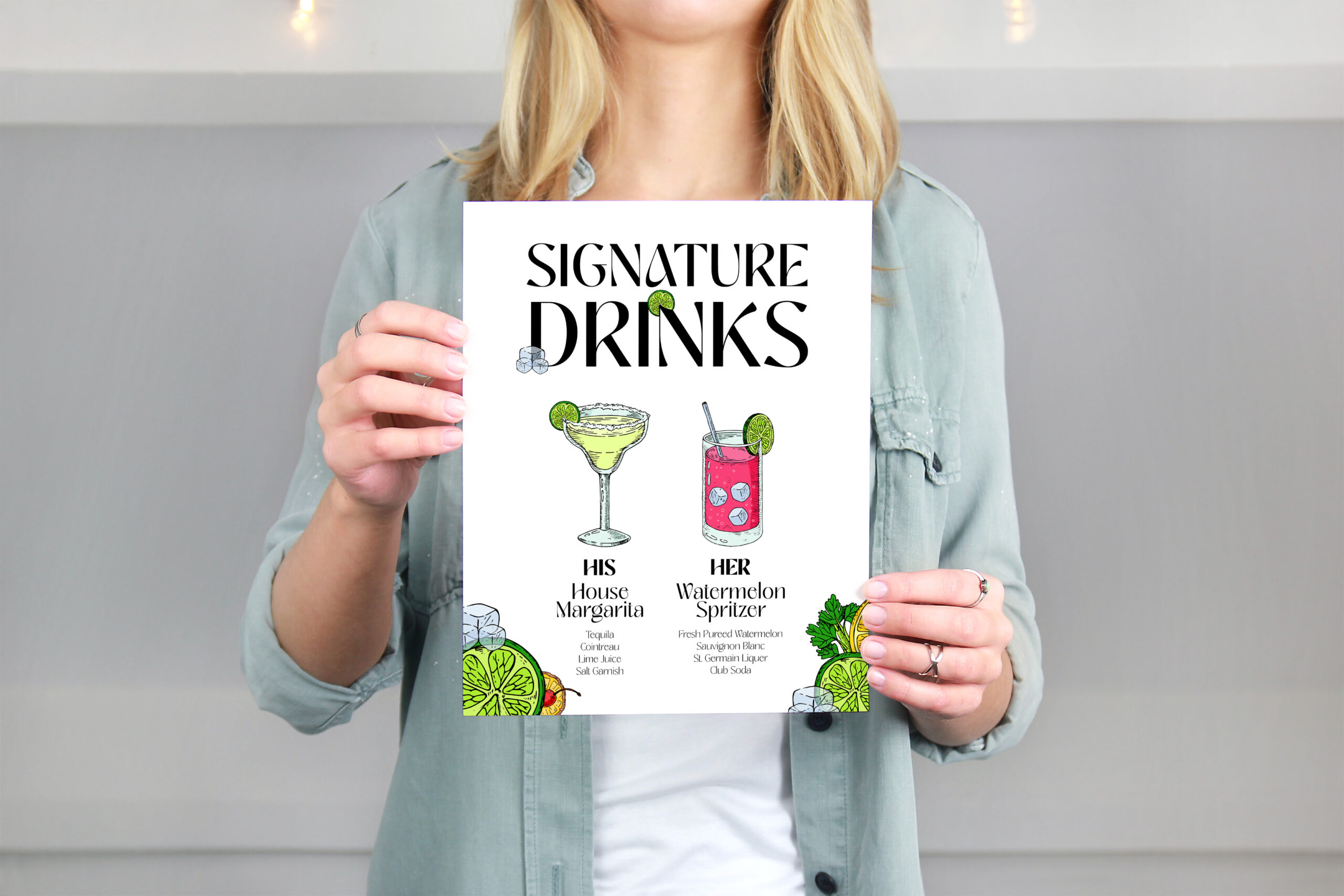
To revolutionize STI and HIV outreach within our health department, we've tapped into the vibrant pulse of bars with a new idea: STI/HIV prevention bar coasters.
Think of them as more than drink rests; they're dynamic messengers seamlessly integrating critical health information about preventable and treatable sexually transmitted diseases and infections into the social fabric.
With every drink placed on these coasters, the hope is that the only thing spreading in these spaces is awareness, reaching individuals who might otherwise remain beyond traditional outreach efforts. It's about creating an immersive experience that resonates deeply within the heart of social interaction by giving maybe a laugh but definitely accessibility to our services.
So, let the whisper of vital health knowledge accompany the clinking of glasses as these coasters stand as beacons of enlightenment in communal gathering spots. Here's to health, education, and a future free from preventable diseases!
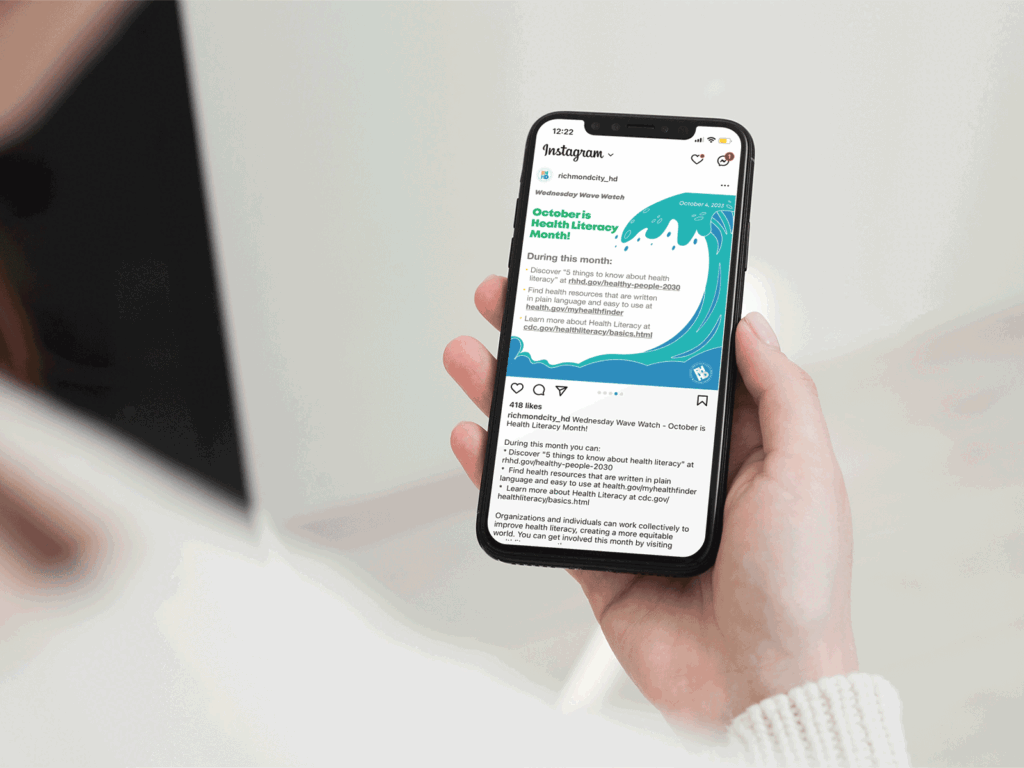
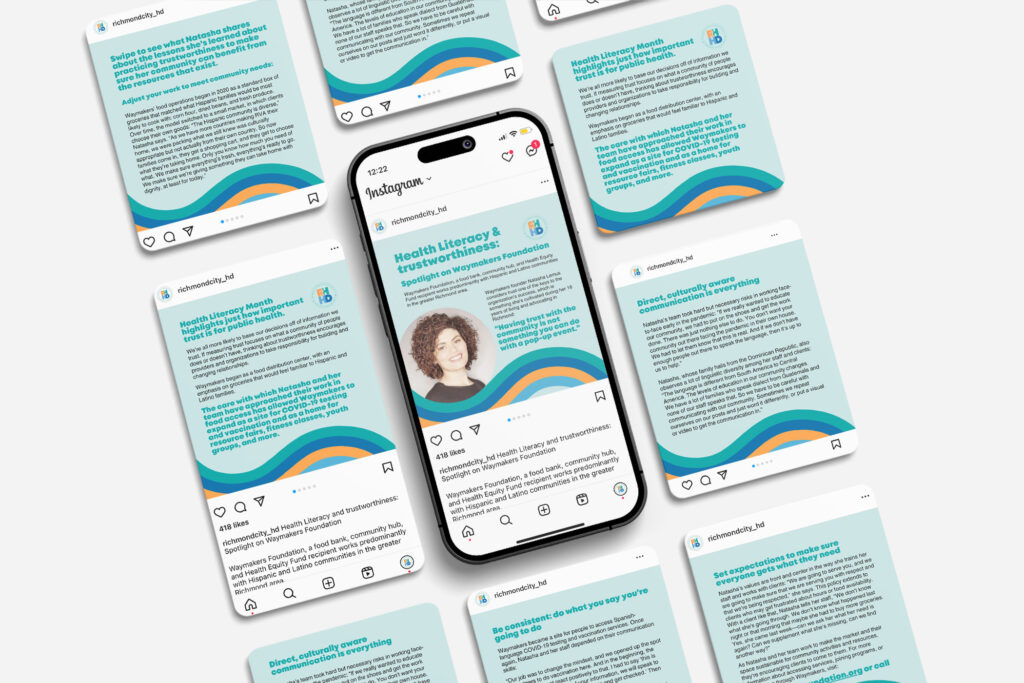
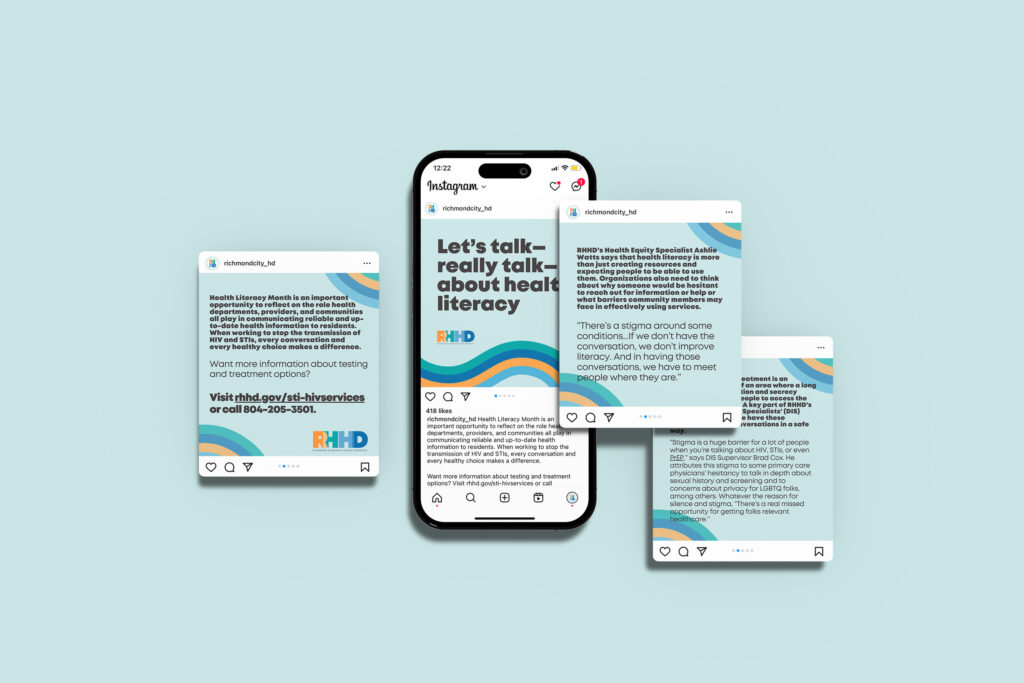
October is health literacy month, which I have been extremely excited about; I’m so passionate about health literacy and education around this topic. I’ll share more on that another time, but here are some fun social media posts about it.
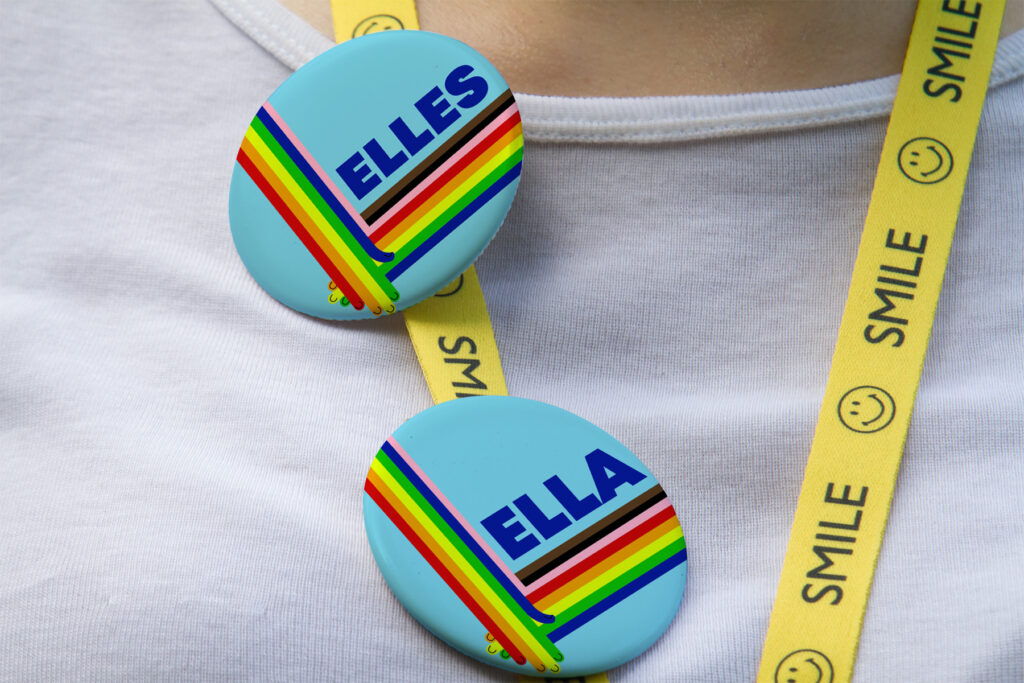
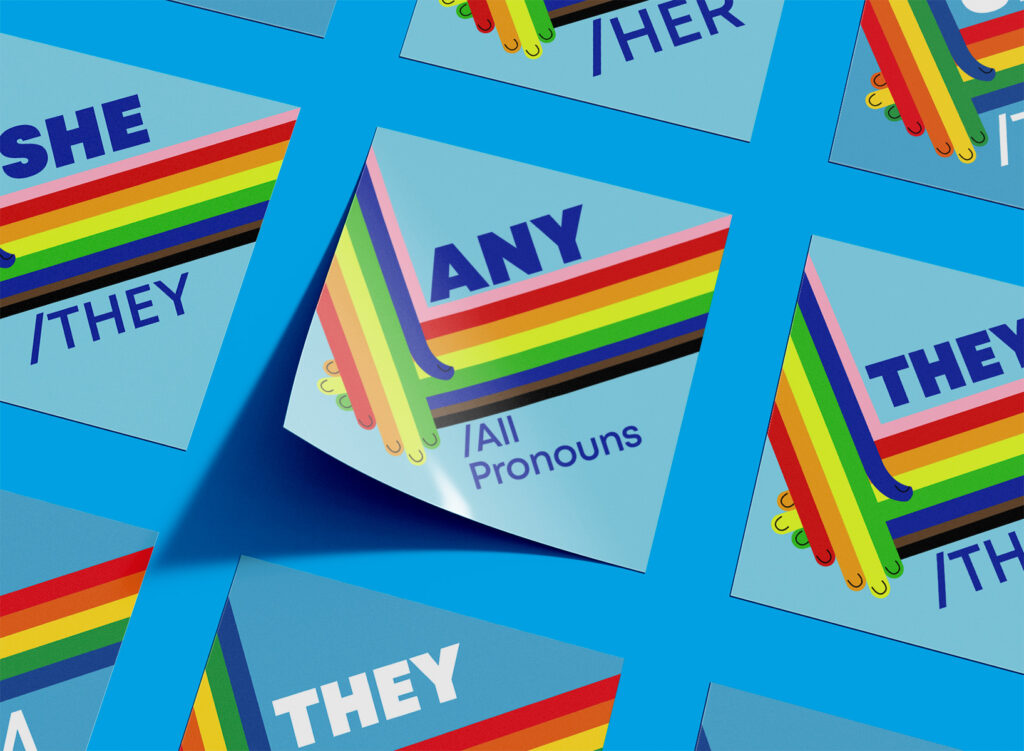
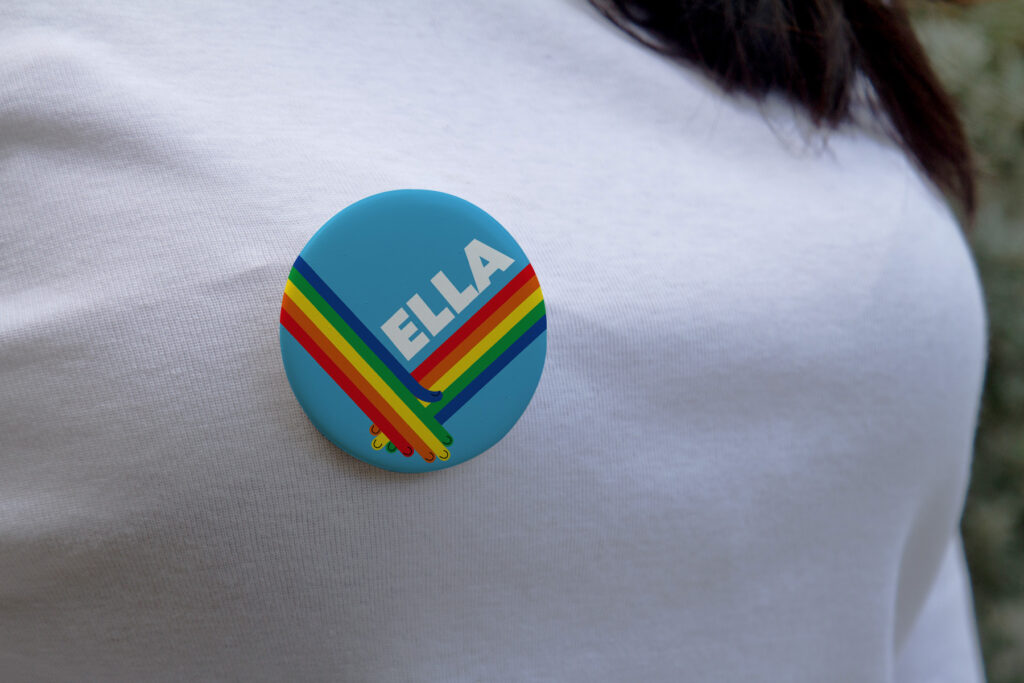
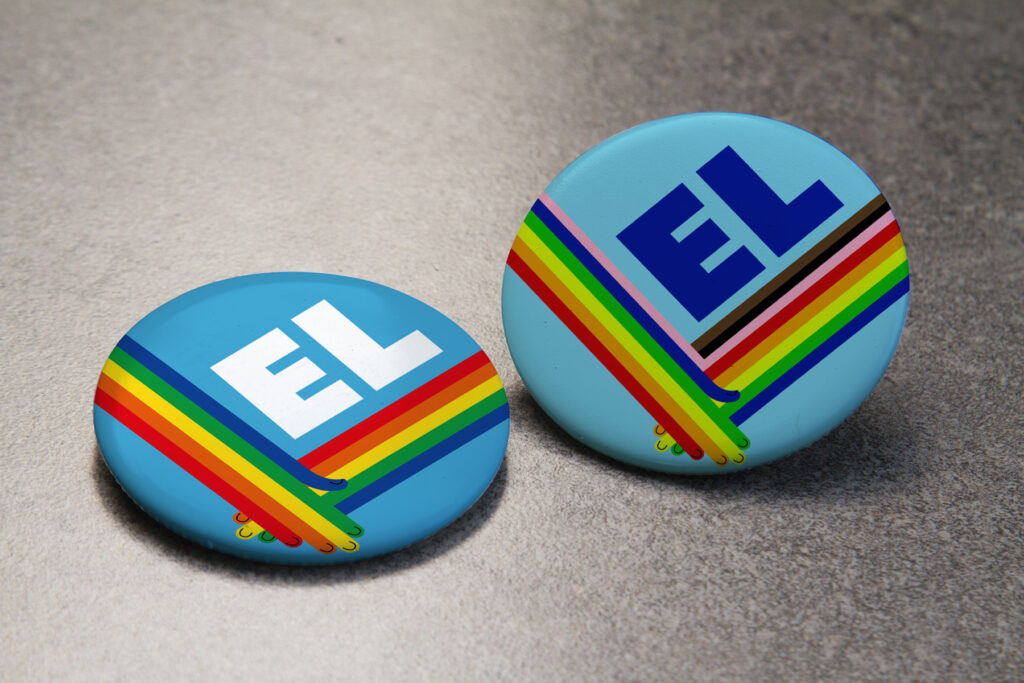
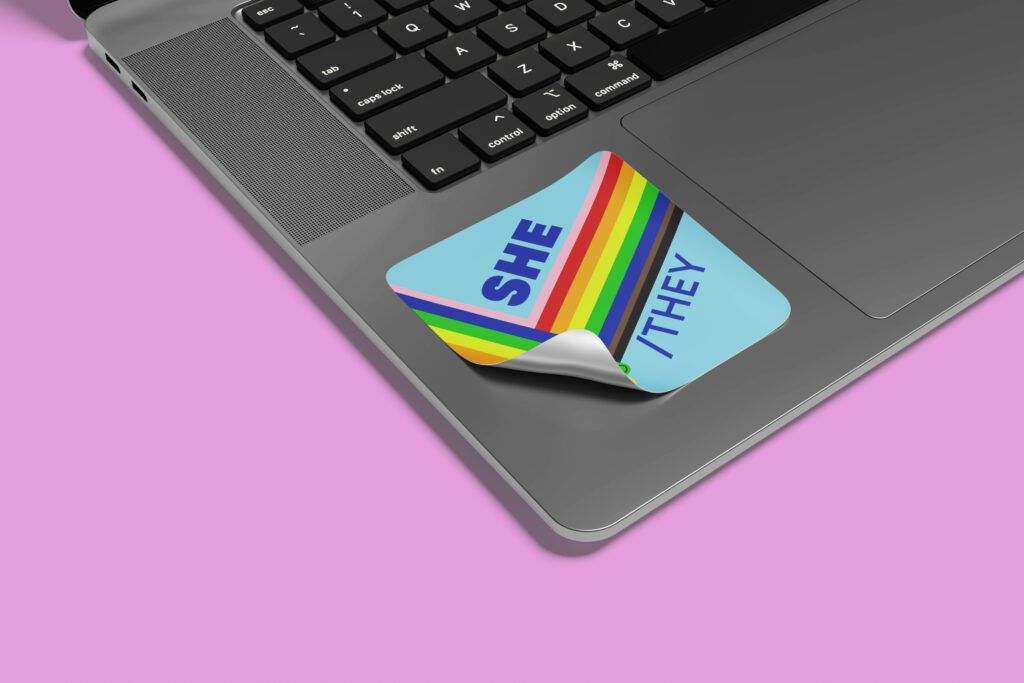
Also, you can view some fun pronoun stickers and pins for department events at the end!
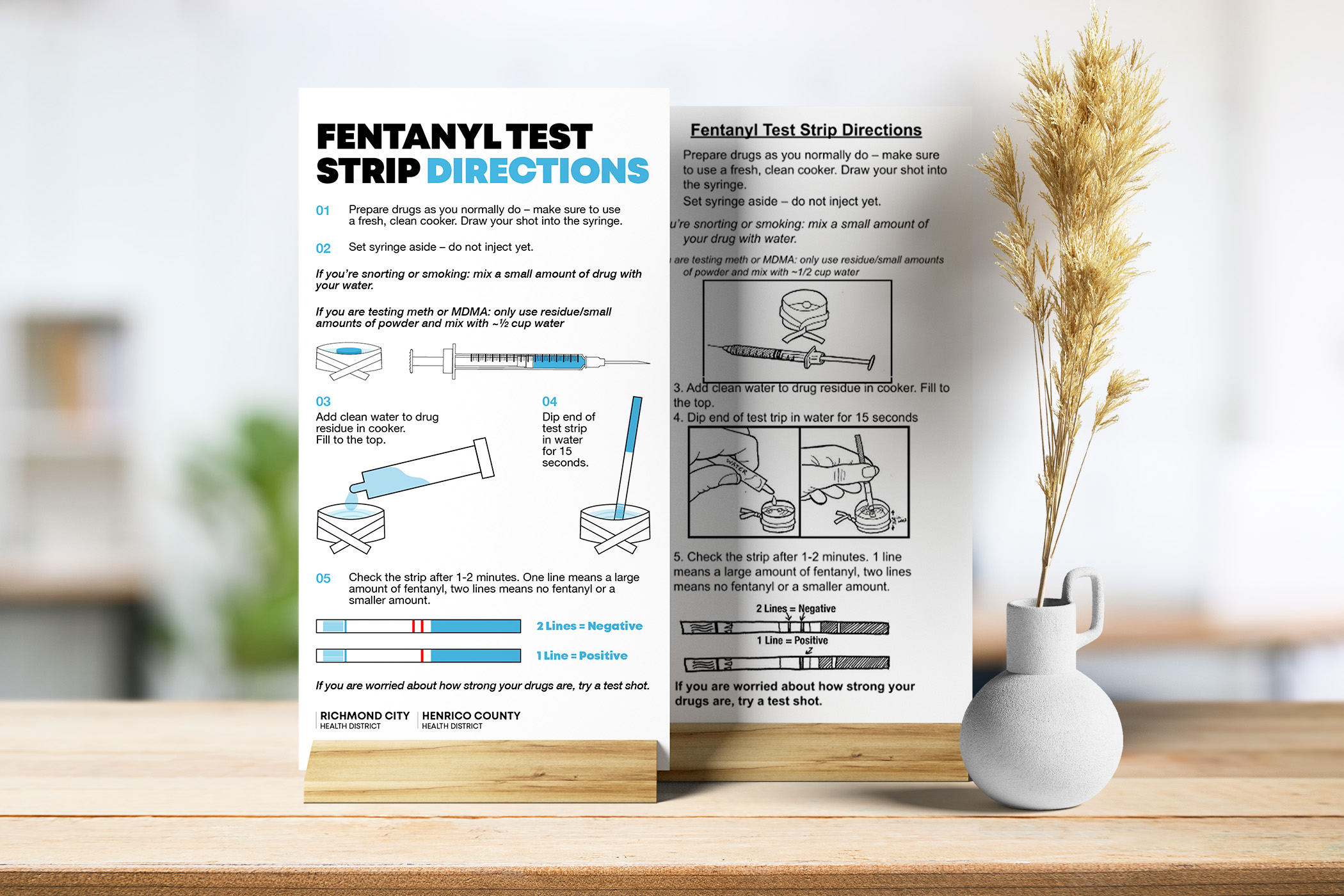
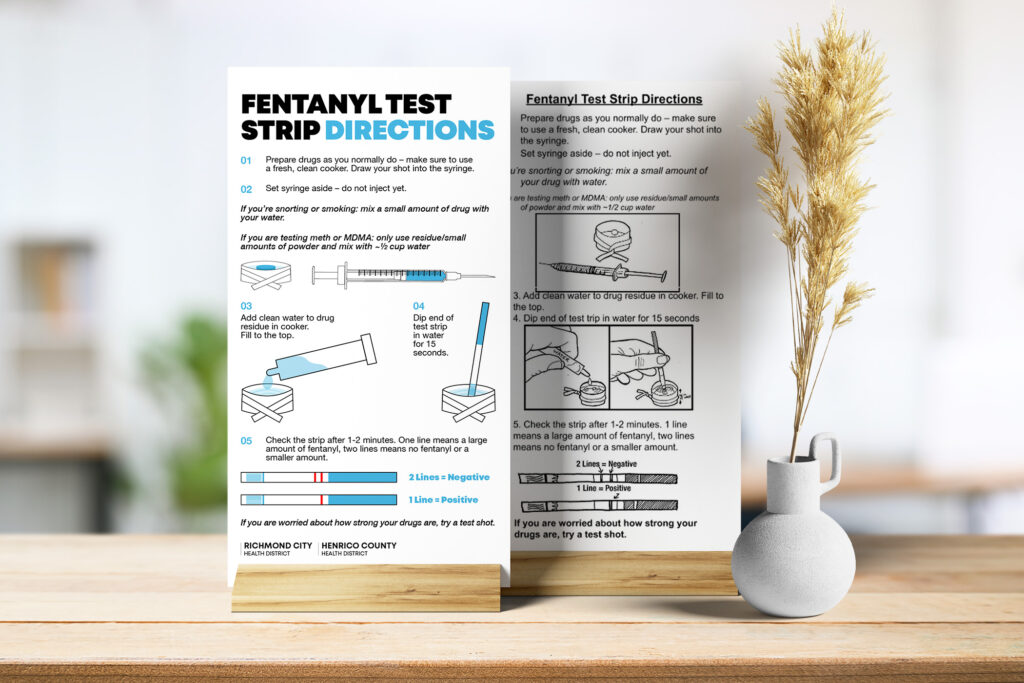
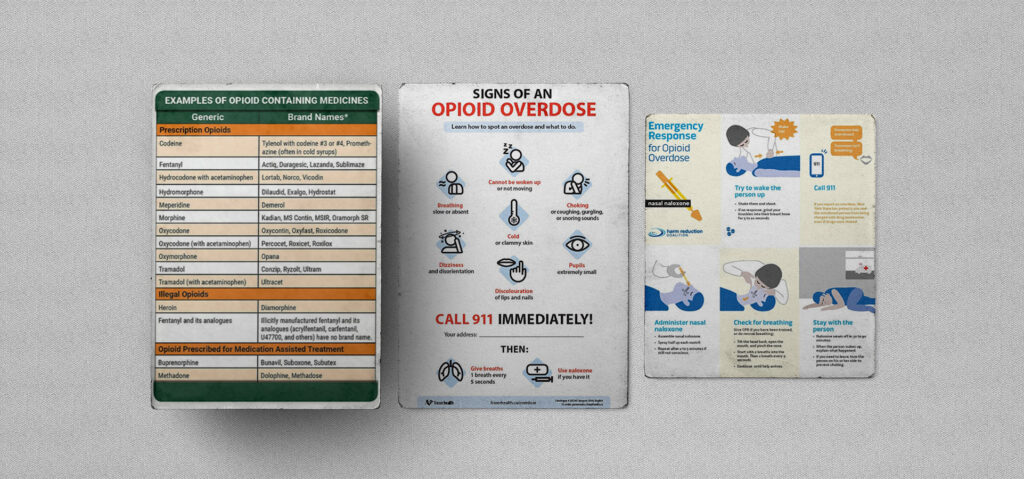
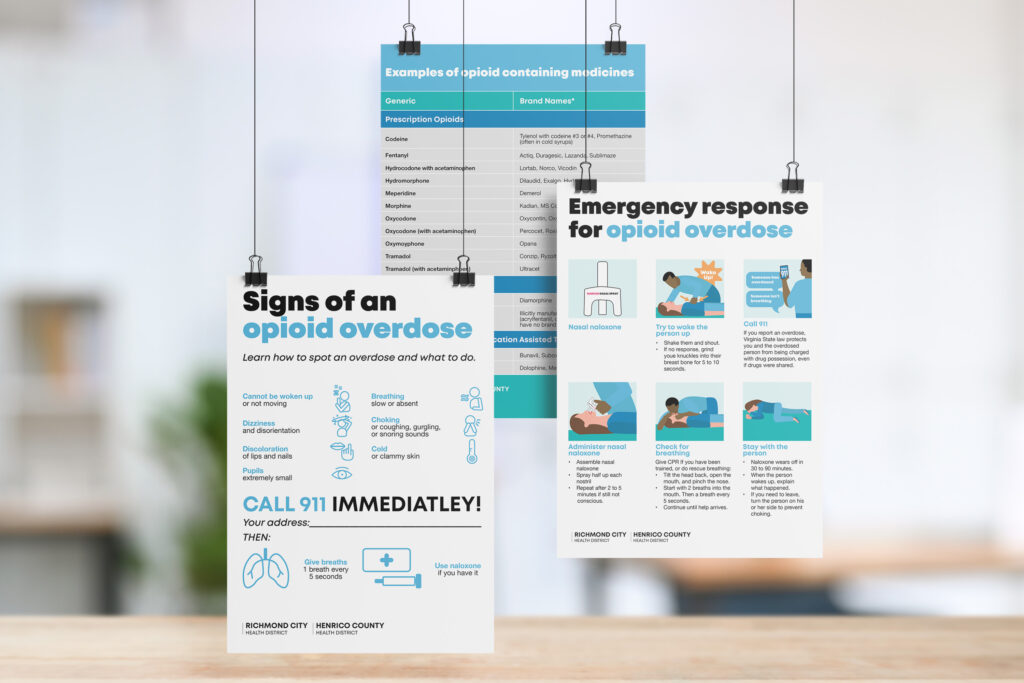
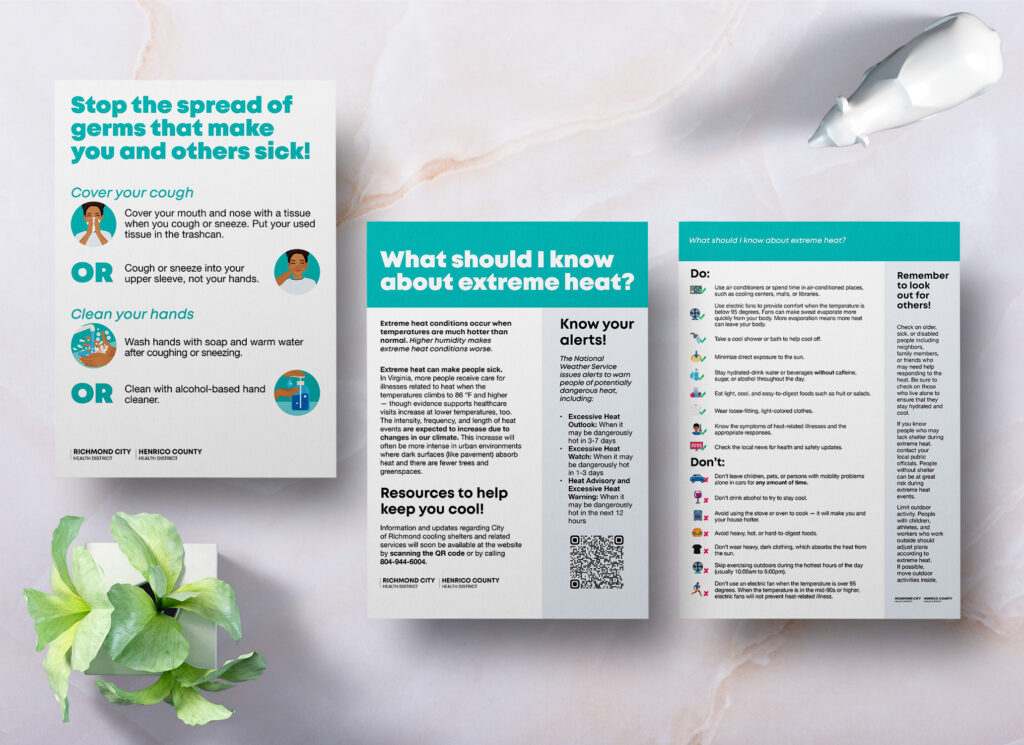
In the ongoing battle against the opioid crisis, education and prevention play pivotal roles. In collaboration with the Richmond City and Henrico County Health Districts, we identified the pressing need for updated resources to support the department's opioid prevention program. Recognizing the importance of visual communication in conveying complex messages, I used our old materials to create new ones. Here is a quick look at the old verses the new opioid prevention materials.
Fentanyl Test Strip Directions
The older version is on the right, and the refreshed version can be viewed on the left.
Steps to Recognize and Respond to an Opioid Overdose
The older version is on the left, and the refreshed version can be viewed on the right.
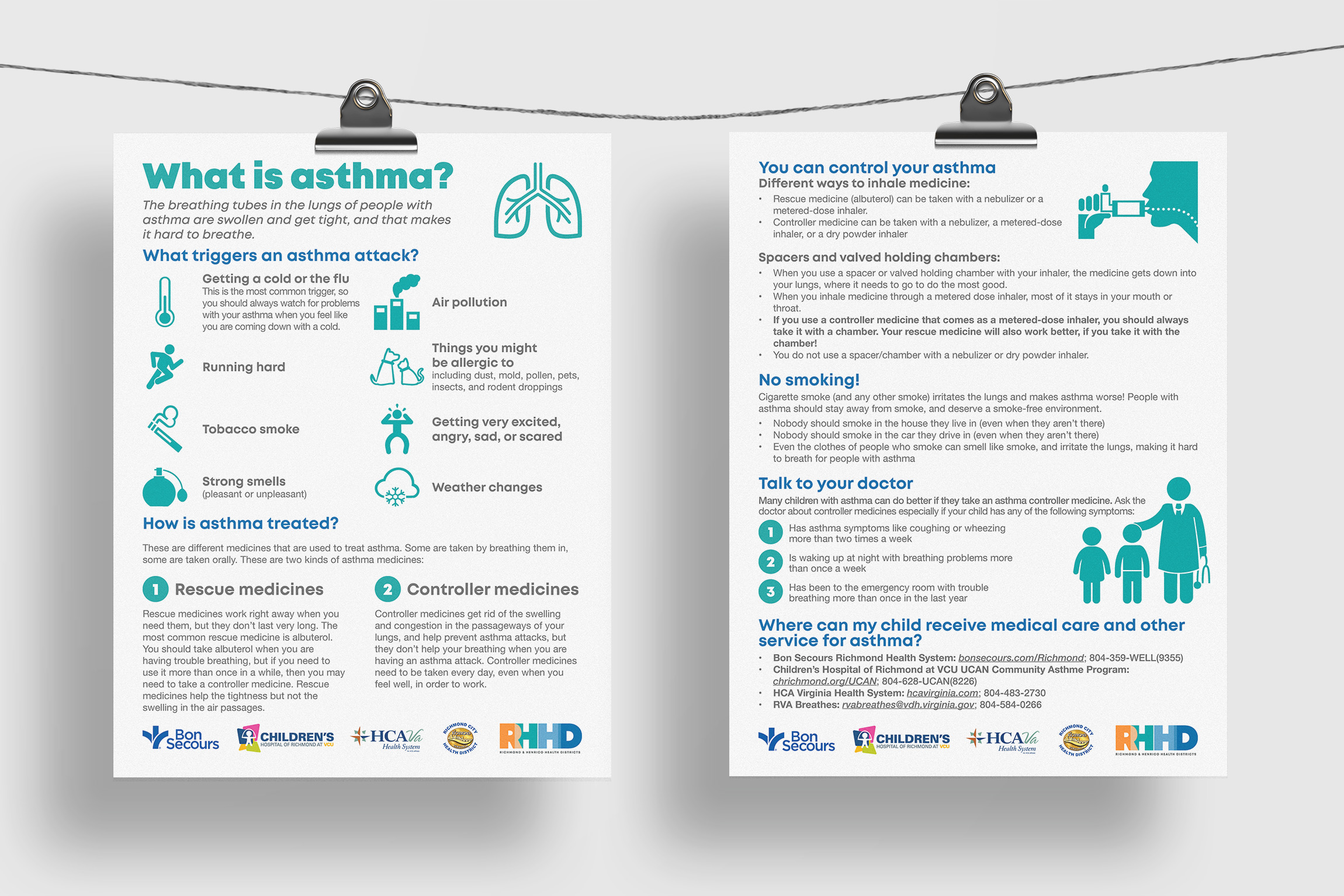
Health literacy is the ability for patients to comprehend complex health information and make informed decisions relating to their health. The study proposes visual aids to bridge the communication gap between health professionals and patients.
Here are 5 practical ways you can improve your sleep:
Cut Off Caffeine In the Afternoon - Don’t let the afternoon slump mess with your beauty sleep.
Caffeine takes about 7-8 hours to leave our system, and because it’s a stimulant, it can have drastic impacts on our quality of sleep if we have it too close to bedtime. I’m not your mother, and I can’t tell you what to do, but the afternoon is a lot closer to bedtime than you think.
Pro-tip: Kick the coffee and caffeinated soda 7-8 hours before bed. More importantly, throughout the day, water should be your best friend. Drinking a glass of water before your morning coffee will keep you hydrated and help you kick the caffeine jitters. The next time you get a case of the afternoon slumps, try adding some lemon to your water as an extra boost. Afternoon soda lovers can substitute soda with flavored carbonated water. Coffee connoisseurs, try substituting coffee for matcha or chai tea; both have enough caffeine to keep you going but not enough to keep you up at night.
Reduce Blue Light Exposure Before Bed - Your eyes are tired, give them a break.
Many factors divide humanity; consequently, the one fact that remains unchanged is that we are all human. Every human being has a circadian rhythm; our bodies sleep and wake cycle. Exposure to blue light or any color light decreases our bodies melatonin, the hormone that makes us sleep. Blue light is everywhere; it’s emitted from your cell phone, television, computer, tablet, and LED and fluorescent lights.
Pro tip: Before you decide to go on a screen time cleanse for a week, I have better suggestions for you. Investing in a pair of blue light glasses will change your life; I know it changed mine. Blue light glasses have special lenses designed to reduce your exposure to the blue light emitted from your devices. Blue light glasses are great; nonetheless, most cell phones and computers have a nighttime option in your brightness settings. Changing your brightness to nighttime mode reduces the blue light and increases the yellow light produced from your electronics display. Additionally, most smart TVs allow you to control the screen display’s brightness.
Set the Vibes in the Bedroom: Your salt lamp is great, but you need more than that.
Keeping your bedroom between 68-70 degrees Fahrenheit is the optimal temperature for sleep. Also, much like the impact of blue light before bed, keeping your room as dark as possible will help you sleep deeper and won’t disturb your REM sleep.
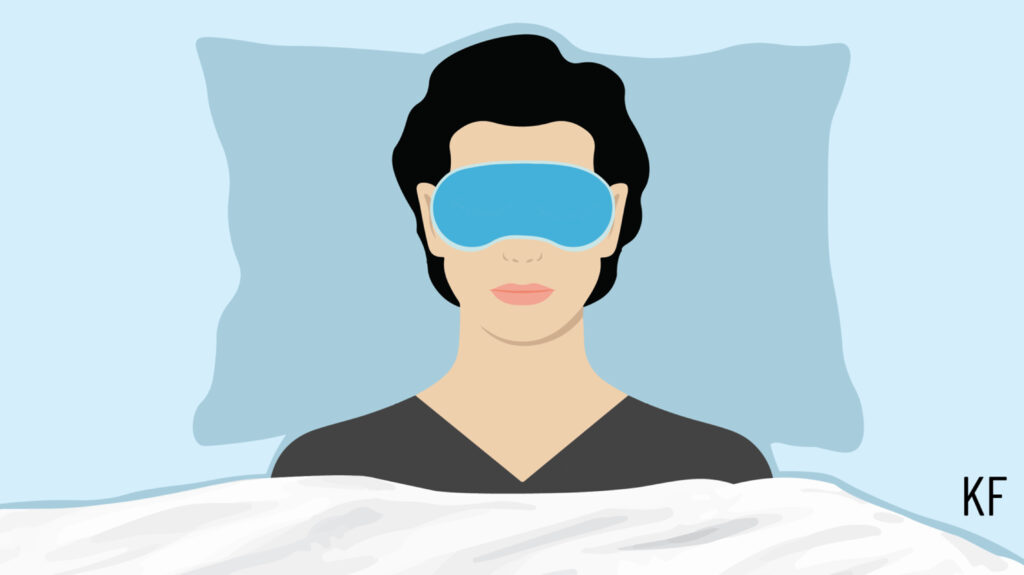
Pro tip: Get blackout curtains for your space, and if that’s not possible, a sleep mask is a great secondary option. Also, have you thought about your sheets or comforter? Look for sheets with breathable fabric; look for cotton, linen, or sheets with natural fibers to keep you cool. Remember, when it comes to sleep, you should treat yourself. Invest in some comfortable, lightweight pajamas and a pillow that fits your comfort needs.
Don’t Eat or Drink Alcohol Before Bed - I guess my evening snack-time will have to be earlier, so I think I should call it “second dinner.”
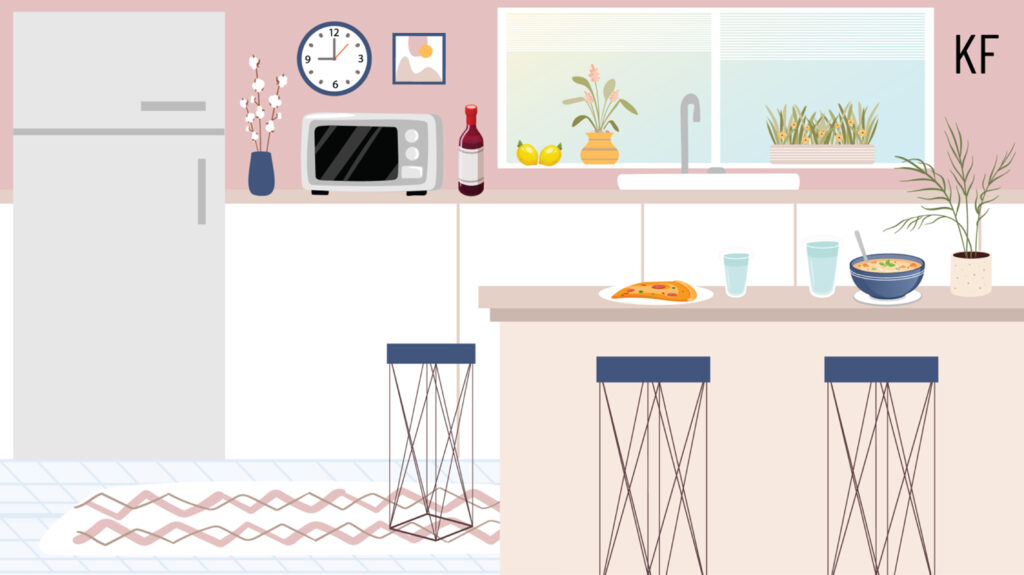
Try to schedule your last meal of the day 4-5 hours before sleep. Your body expends energy digesting the food and raises your body temperature, which should be at its lowest while you’re sleeping. Additionally, consuming alcohol even 6 hours before bedtime can impact your REM sleep. Alcohol does make you feel tired because of its sedative effect; however, while your mind may feel relaxed, your body is pumping out cortisol, a stress hormone in your body that reduces your sleep quality.
Pro tip: Since it can be tricky to avoid eating late or enjoying your favorite beverage to unwind, do your best to allow time between eating/drinking and going to bed. Be mindful of the times you typically eat or drink alcohol; when you are conscious of these times, it will make your schedule easier to adjust. If you plan to continue eating or drinking alcohol before bed, you can opt for days that you can sacrifice a little shut-eye, like on weekends or vacations.
Get in The Right Head Space - My hand hurts already, no pain, no gain.
You may have heard your counselor say this or your super introspective friend, but they’re right; journaling before bed works. Journaling before bed can help you process your day and the events that transpired. Doing a “brain dump,” as some say, will help you work through unresolved issues before you go to bed, so you don’t wake up in the middle of the night trying to understand the meaning of life or how to solve world peace.
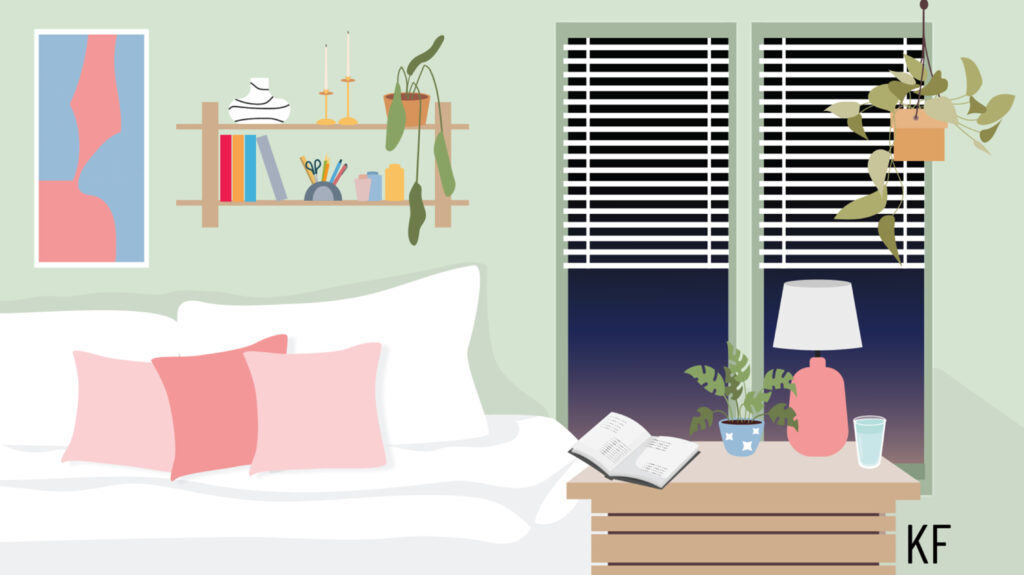
Pro tip: Keep a journal beside your bed, put your phone away, and think about your day. Grab a pen, fancy calligraphy pen, pencil, or whatever writing utensil your heart desires, and write. You can write one sentence or try to write for 5 minutes. When you build a positive journal writing habit, you may write longer each week. Most importantly, don’t pressure yourself to meet a time or word constraint – this journal is your space to release your thoughts and decompress.
Long story, short...
Whether you’re a freelancer, content creator, or corporate business professional, you work hard and deserve quality sleep that recharges you every day for anything life throws at you. Sleep is vital to our body's function and performance, so give these tips a try and see if they help because even superheroes need their rest!